About
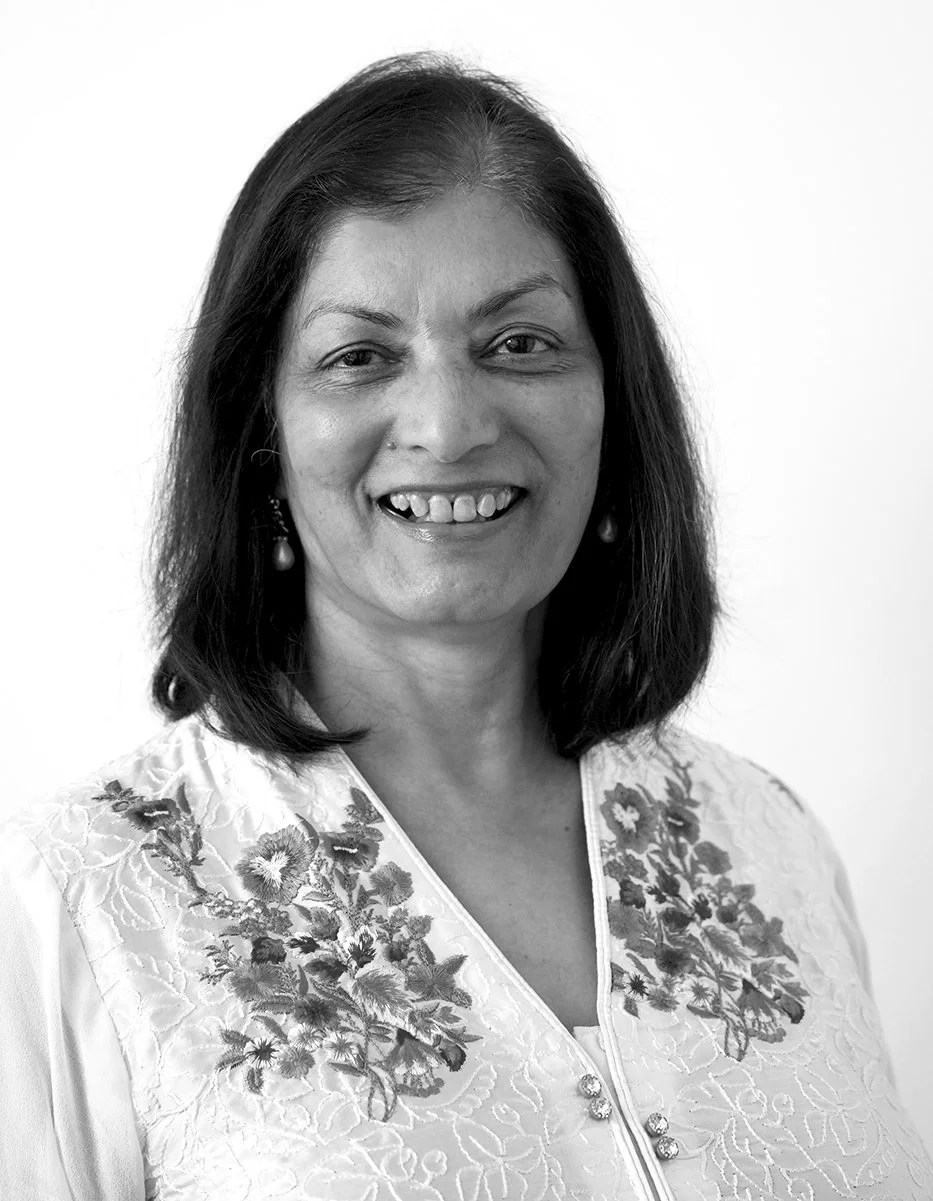
Dr. Mala Datta is a Licensed Clinical Psychologist in New York and New Jersey with over 20 years of experience supporting teens and adults through life’s emotional and psychological challenges. She specializes in evidence-based therapies, including Cognitive Behavioral Therapy (CBT), Mindfulness-Based CBT, and Solution-Focused Therapy, offering practical tools and compassionate guidance to help clients create meaningful change.
Dr. Datta provides culturally sensitive care grounded in a deep understanding of cultural dynamics, family expectations, identity, and generational patterns. She has extensive experience working with the South Asian population. She is fluent in several Indian languages, allowing her to support clients in a way that feels comfortable, familiar, and culturally aligned.
Her background allows her to support clients facing challenges such as:
Balancing cultural expectations with personal goals
Navigating identity and acculturation stress
Family conflict and communication issues
Relationship and marriage stress
Intergenerational trauma
Career and life transition pressures
Approach
Dr. Datta’s approach is warm, collaborative, and focused on real-life solutions. She works closely with clients to help them understand their habitual patterns, develop resilience, and build skills to navigate challenges such as anxiety, depression, stress, relationship concerns, and major life transitions. Every session is personalized to meet each client’s unique needs and goals.
At the heart of her practice is a commitment to creating a safe, non-judgmental, and empowering space where individuals feel seen, supported, and capable of growth. Dr. Datta believes that with the right tools and guidance, everyone has the ability to heal, transform, and move toward a life that feels more authentic and fulfilling.
Areas of Specialization
Anxiety disorders
Depression and mood disorders
Stress management and burnout
Teen and young adult challenges
Relationship and family concerns
Life transitions and identity exploration
Cultural stress and immigration-related challenges
Therapeutic Methods
Dr. Datta draws from evidence-based approaches and tailors treatment to your goals, preferences, and pace. The methods below may be used individually or integrated, depending on what will best support your growth and well-being.
-
Cognitive Behavioral Therapy (CBT) is a practical, evidence-based approach that helps you understand how your thoughts, emotions, and behaviors influence one another. In CBT, we identify unhelpful patterns—like harsh self-talk, worry loops, avoidance, or perfectionism—and replace them with more balanced, effective ways of thinking and responding. Sessions are collaborative and goal-oriented, with tools you can use between sessions to support real change in daily life. CBT can be helpful for anxiety, depression, stress, panic, and life transitions.
-
Mindfulness-Based CBT blends the structured tools of CBT with mindfulness practices that strengthen awareness and emotional regulation. Instead of getting pulled into the content of every thought, you learn to notice thoughts and feelings as they arise, without immediately reacting or believing they are facts. This approach supports a steadier relationship with anxiety, rumination, and self-criticism by building the skill of pausing, observing, and choosing your response. It can be especially supportive for chronic stress, anxiety, relapse prevention in depression, and anyone who feels “stuck in their head.”
-
Exposure and Response Prevention (ERP) is a specialized form of therapy widely used for Obsessive-Compulsive Disorder (OCD) and related anxiety patterns. ERP helps you gradually face feared thoughts, sensations, or situations (exposure) while learning to reduce the behaviors that keep the anxiety cycle going (response prevention), such as checking, reassurance-seeking, mental reviewing, or avoidance. The goal is not to force fear away, but to build tolerance for uncertainty and strengthen your ability to live with greater freedom and choice. ERP is structured, supportive, and paced carefully to match your readiness.
-
Solution-Focused Therapy is a forward-looking approach that emphasizes what’s working, what you want instead, and the smallest steps that move you in that direction. Rather than spending extensive time analyzing the past, we focus on your strengths, resources, and moments when the problem is less intense or more manageable. Together we clarify your goals, identify “exceptions,” and build strategies that fit your real life. This style of therapy can be especially helpful for brief, focused work around decision-making, confidence, relationship patterns, and navigating transitions.
-
Intergenerational trauma refers to the ways unresolved stress, grief, or survival patterns can be carried across generations—shaping beliefs, nervous system responses, and relationship dynamics even when the original events happened long ago. This can show up as chronic anxiety, emotional shut-down, hypervigilance, perfectionism, conflict avoidance, or a deep sense of “something is wrong with me.” In therapy, we gently explore these patterns with compassion and clarity, helping you understand what you inherited, what protected your family system, and what no longer serves you. The work supports healing at both the personal and relational level—so you can respond from the present, not from the past.
Insurance
Some of the Insurance that we accept:
United Health Care
Oxford Health Care
Aetna
Cigna/ Evernorth
MVP
Carelon Behavioral Health
Fidelis
1199
Please call the office to confirm that we accept your Insurance.